
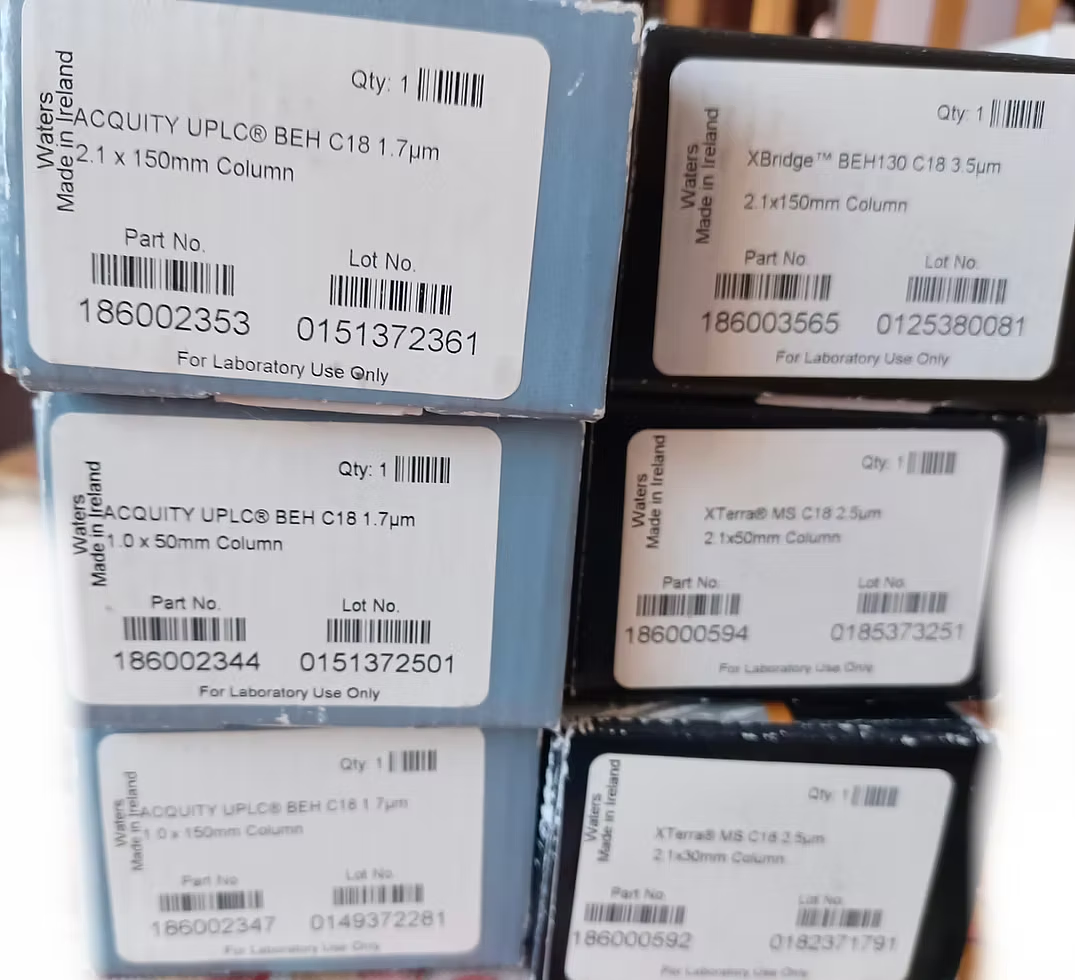
Exploring UPLC C18 Column Features: A Guide to UPLC BEH C18 Columns for Sale
Ultra Performance Liquid Chromatography (UPLC) has become a standard technique in analytical laboratories. Among the various columns available, the UPLC BEH C18 column stands out for its performance and reliability. This post explores the key features of UPLC BEH C18 columns, their applications, and considerations when purchasing. It also compares BEH C18 with other column types to help make informed decisions.
Understanding UPLC C18 Column Features
UPLC BEH C18 columns are designed for high efficiency and reproducibility in chromatographic separations. The "BEH" stands for Bridged Ethyl Hybrid, a particle technology that enhances column stability and performance. The C18 refers to the octadecylsilane bonded phase, which is widely used for reversed-phase chromatography.
Key features include:
- Particle Size: Typically 1.7 µm, which allows for higher resolution and faster analysis compared to traditional HPLC columns.
- pH Stability: BEH particles provide a wide pH range stability, usually from 1 to 12, enabling diverse applications.
- Mechanical Strength: The hybrid particle technology offers robustness under high pressure, suitable for UPLC systems.
- Surface Chemistry: The C18 bonded phase provides strong hydrophobic interactions, ideal for separating non-polar to moderately polar compounds.
- Column Dimensions: Available in various lengths and diameters to suit different analytical needs.
These features make UPLC BEH C18 columns suitable for complex sample matrices and demanding analytical protocols.
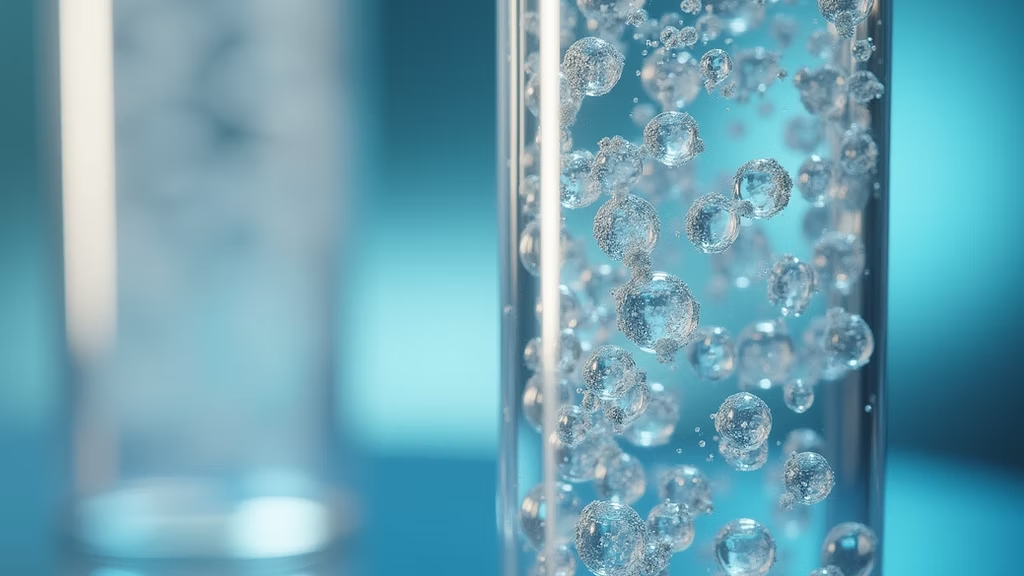
Close-up of UPLC BEH C18 column particle structure
Applications of UPLC BEH C18 Columns
UPLC BEH C18 columns are widely used in laboratories for various applications:
- Pharmaceutical Analysis: For drug purity testing, stability studies, and pharmacokinetic profiling.
- Environmental Testing: Detection of pollutants and contaminants in water and soil samples.
- Food and Beverage Quality Control: Analysis of additives, preservatives, and contaminants.
- Biochemical Research: Separation of peptides, proteins, and metabolites.
- Clinical Diagnostics: Quantification of biomarkers and therapeutic drugs.
The columns’ high resolution and reproducibility make them ideal for quantitative and qualitative analysis. Their robustness supports long-term use in routine testing environments.
What is the difference between BEH C18 and HSS T3?
Understanding the difference between BEH C18 and HSS T3 columns is important for selecting the right column for specific applications.
- Particle Technology: BEH C18 uses bridged ethyl hybrid particles, while HSS T3 uses high-strength silica particles.
- Surface Chemistry: BEH C18 has a C18 bonded phase, optimized for hydrophobic interactions. HSS T3 has a trifunctional C18 phase with enhanced retention of polar compounds.
- pH Range: BEH C18 columns typically tolerate a wider pH range (1-12), whereas HSS T3 columns are stable in a narrower pH range (2-8).
- Application Focus: BEH C18 is preferred for general reversed-phase separations, especially for non-polar to moderately polar analytes. HSS T3 is better suited for polar compounds and early eluting peaks.
- Pressure Tolerance: Both are compatible with UPLC systems, but BEH C18’s hybrid particles offer slightly better mechanical strength.
Choosing between these depends on the sample type and analytical goals. For broad applicability and durability, BEH C18 is often the preferred choice.
Laboratory setup with UPLC system and columns
Tips for Selecting UPLC BEH C18 Columns for Sale
When looking for UPLC BEH C18 columns for sale, consider the following factors:
- Column Dimensions: Match the length and internal diameter to your system and analysis requirements. Common sizes include 2.1 mm ID and lengths from 50 to 150 mm.
- Particle Size: Smaller particles (1.7 µm) offer better resolution but require higher pressure. Ensure your UPLC system can handle the pressure.
- pH Compatibility: Confirm the column’s pH range suits your mobile phase and sample conditions.
- Supplier Reliability: Purchase from reputable suppliers who provide quality assurance and technical support.
- Cost and Warranty: Balance cost with warranty and after-sales service. Some suppliers offer refurbished columns at lower prices with guarantees.
- Compatibility: Ensure the column is compatible with your UPLC system and detectors.
By considering these points, you can select a column that meets your analytical needs and budget.
Maintenance and Best Practices for UPLC BEH C18 Columns
Proper maintenance extends the life and performance of UPLC BEH C18 columns. Follow these guidelines:
- Mobile Phase Preparation: Use high-purity solvents and filter mobile phases to prevent clogging.
- Column Storage: Store columns in recommended solvents, usually a mixture of water and organic solvent, to prevent drying out.
- Flushing: Regularly flush the column with strong solvents to remove retained contaminants.
- Avoid Pressure Spikes: Gradually increase and decrease pressure to protect the column packing.
- Temperature Control: Operate within the recommended temperature range to avoid damage.
- Sample Preparation: Filter and centrifuge samples to remove particulates.
Adhering to these practices ensures consistent performance and reduces downtime.
Where to Find UPLC BEH C18 Columns for Sale
Finding reliable sources for UPLC BEH C18 columns is essential. Many laboratories seek suppliers who offer both new and cost-effective used or refurbished columns. This approach helps manage budgets without compromising quality.
One can find BEH columns and others on our site.
Final Thoughts on UPLC BEH C18 Columns
UPLC BEH C18 columns offer a combination of high performance, durability, and versatility. Their advanced particle technology and wide pH stability make them suitable for a broad range of analytical applications. Selecting the right column involves understanding your specific needs and system capabilities.
Maintaining the column properly and sourcing it from reputable suppliers will maximize its value. Proper care and storage will increase the life of the column.